Wedding Afterparty Photography: Why Flash Is Your Best Friend on the Dance Floor
The cake is cut, the first dance is done, and now it's time for the real party. Here's how flash photography turns wild, unscripted reception moments into images you'll want to frame forever.
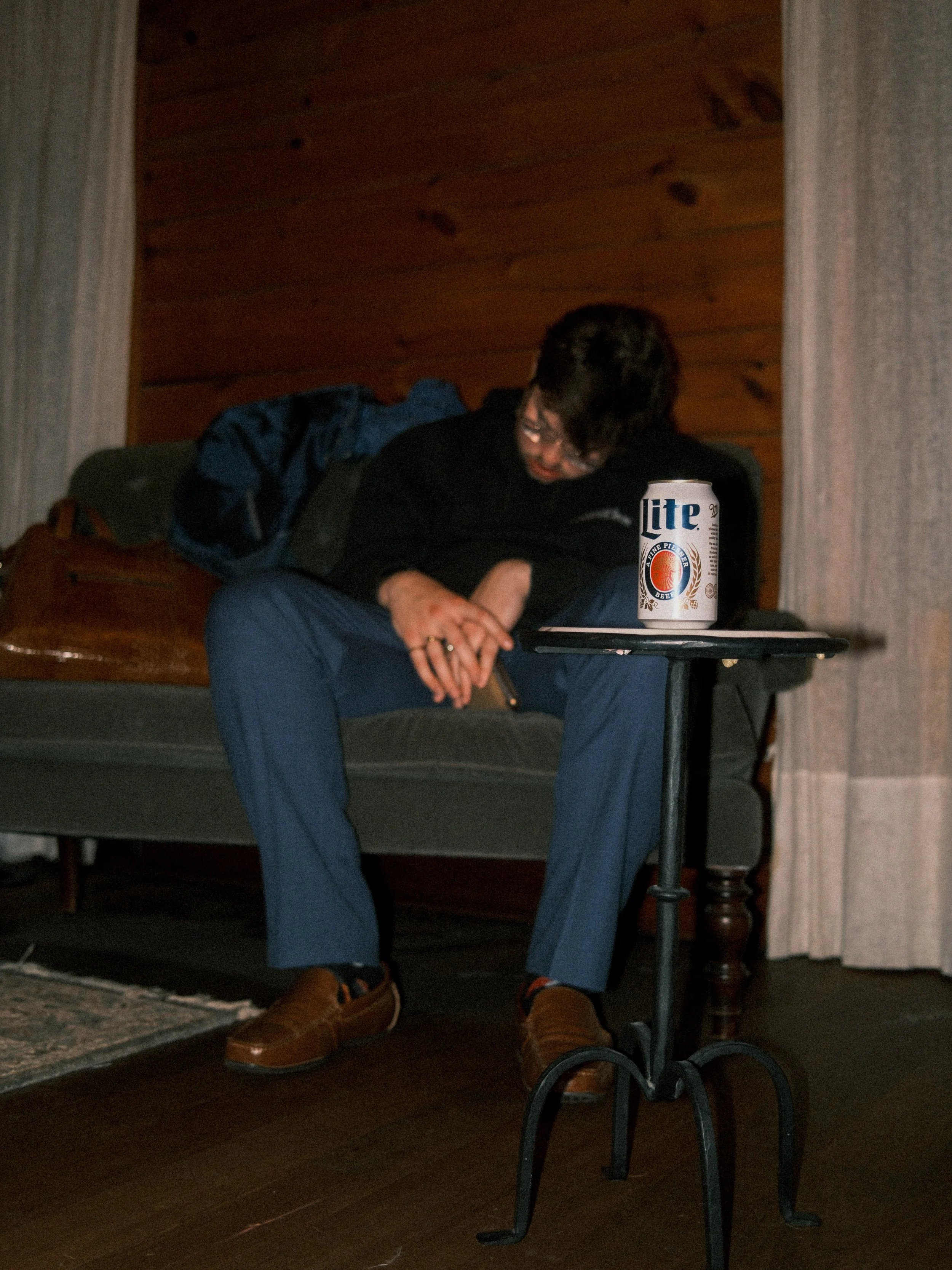
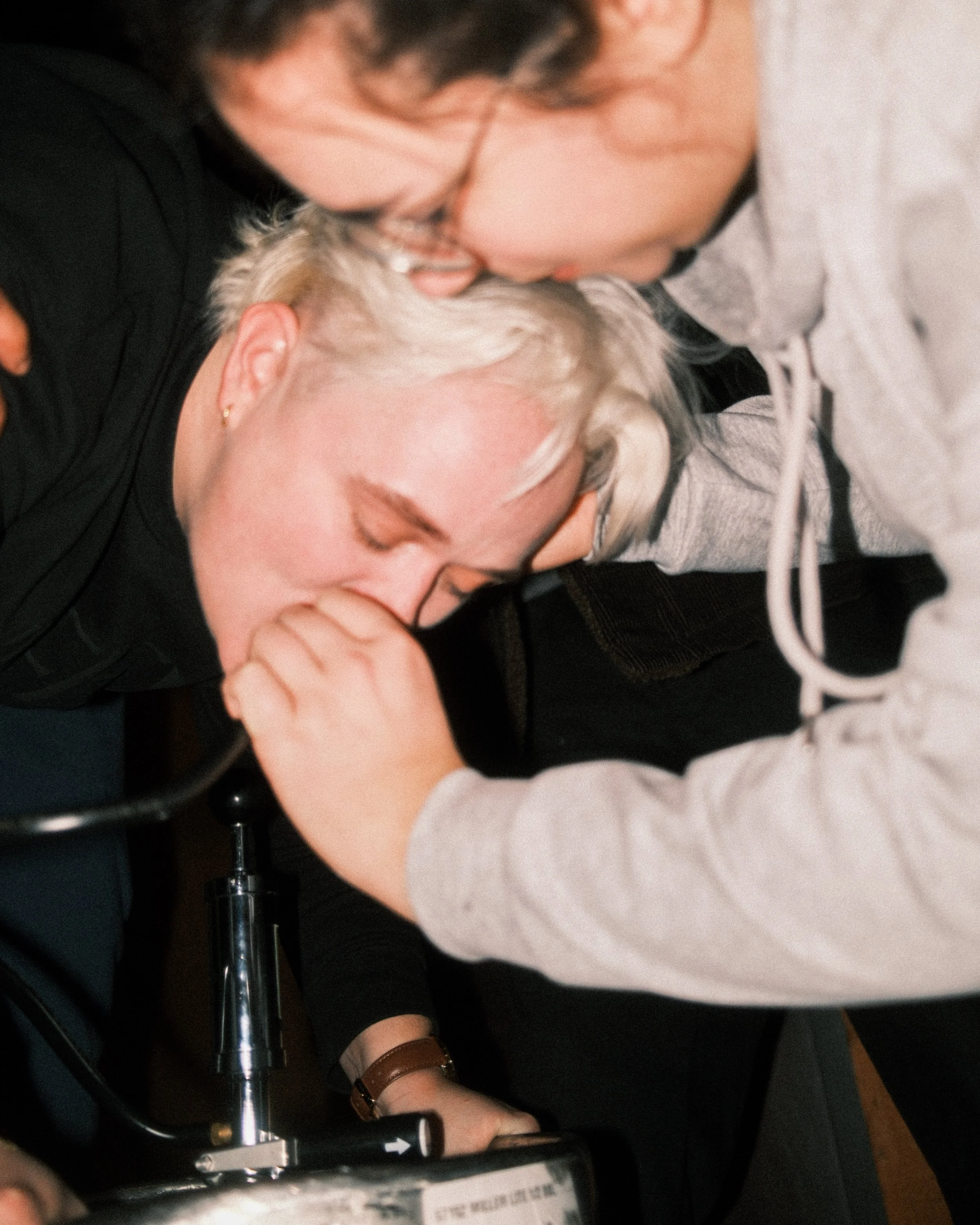
Let's be honest. Some of the best moments from your wedding happen after the formal portraits are done. The spontaneous conga line. Your dad doing a move he definitely shouldn't. Your best friend ugly-crying during your favorite song. These are the memories that make you laugh for decades, and they almost always happen in low light, at full speed, with zero warning.
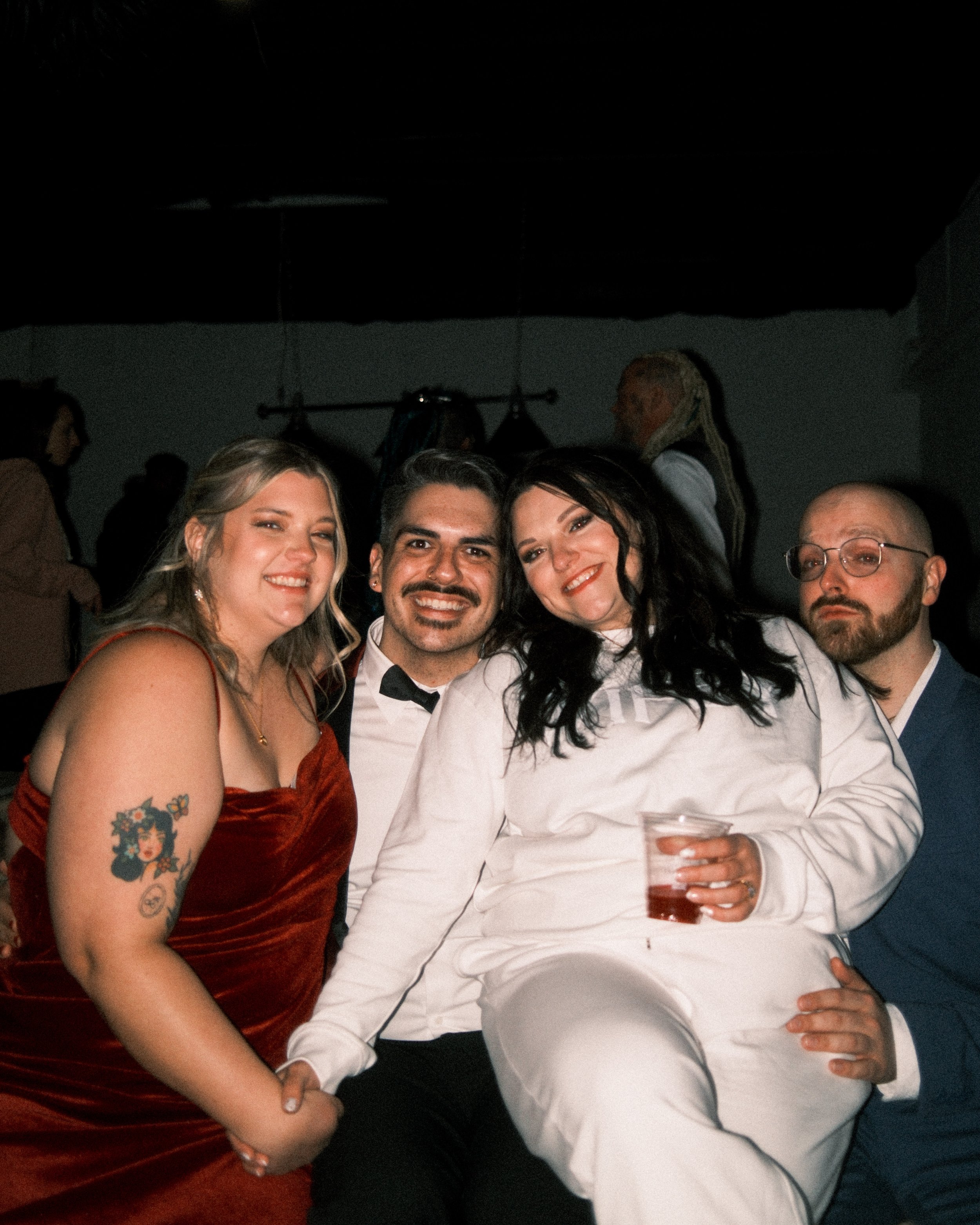
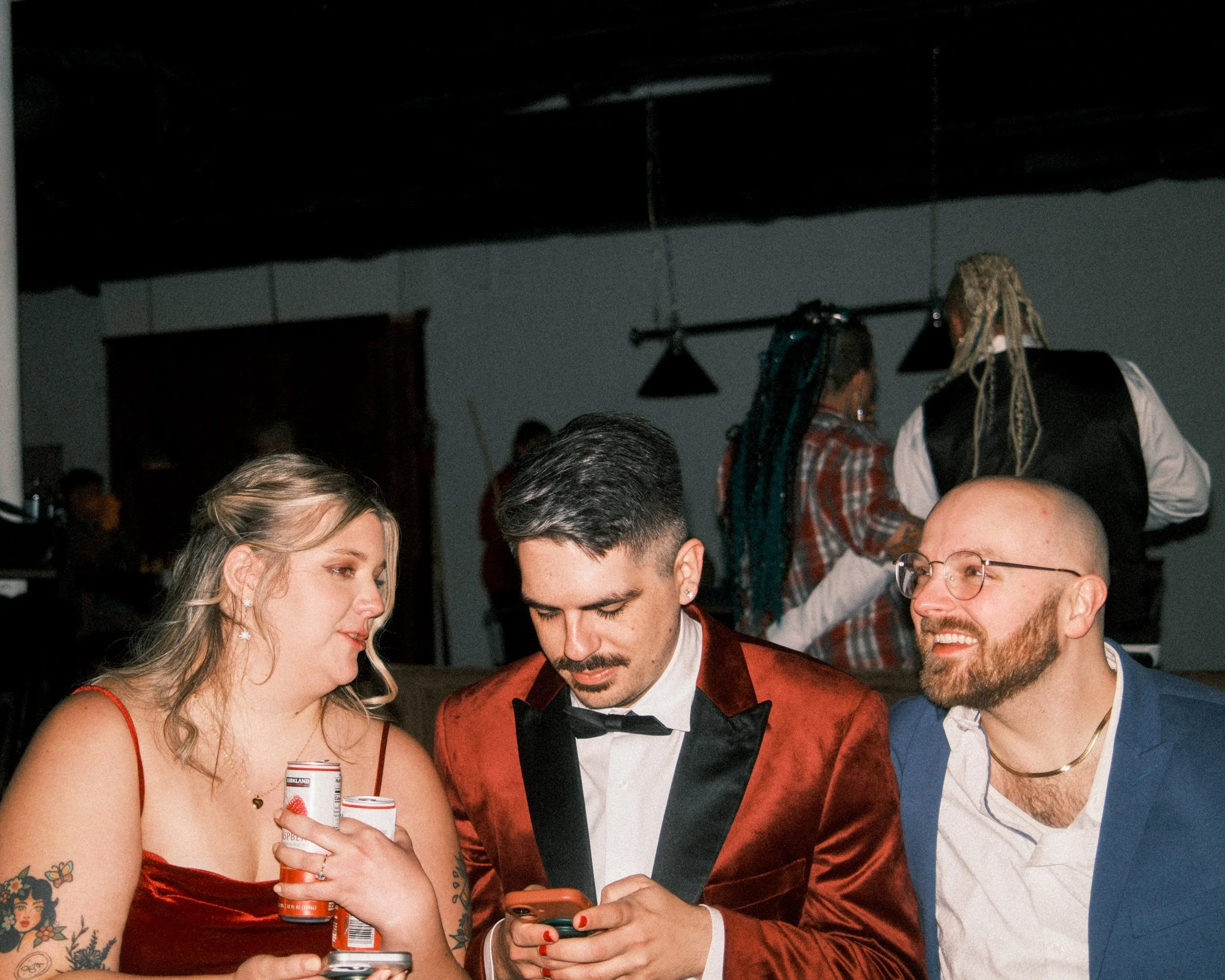
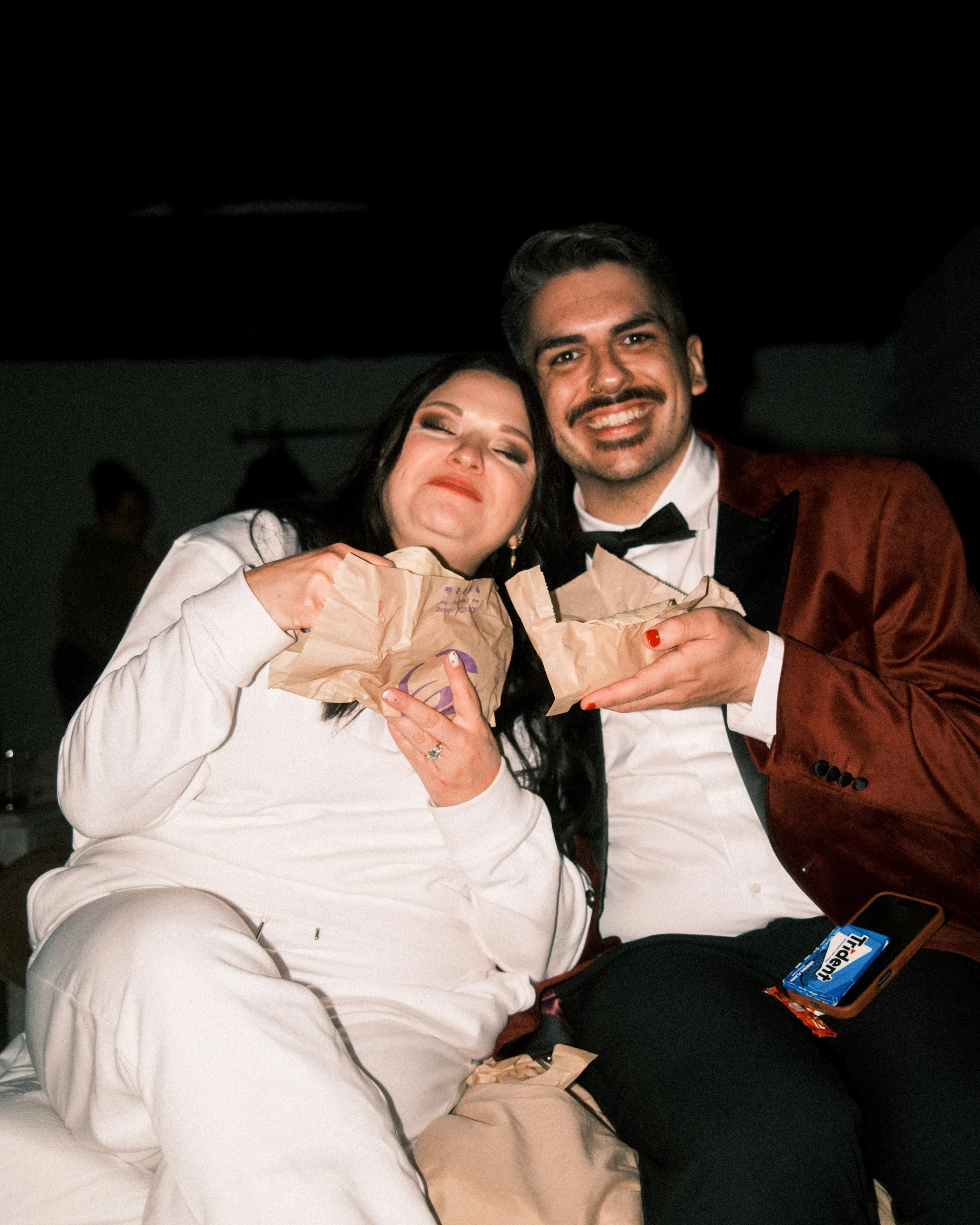
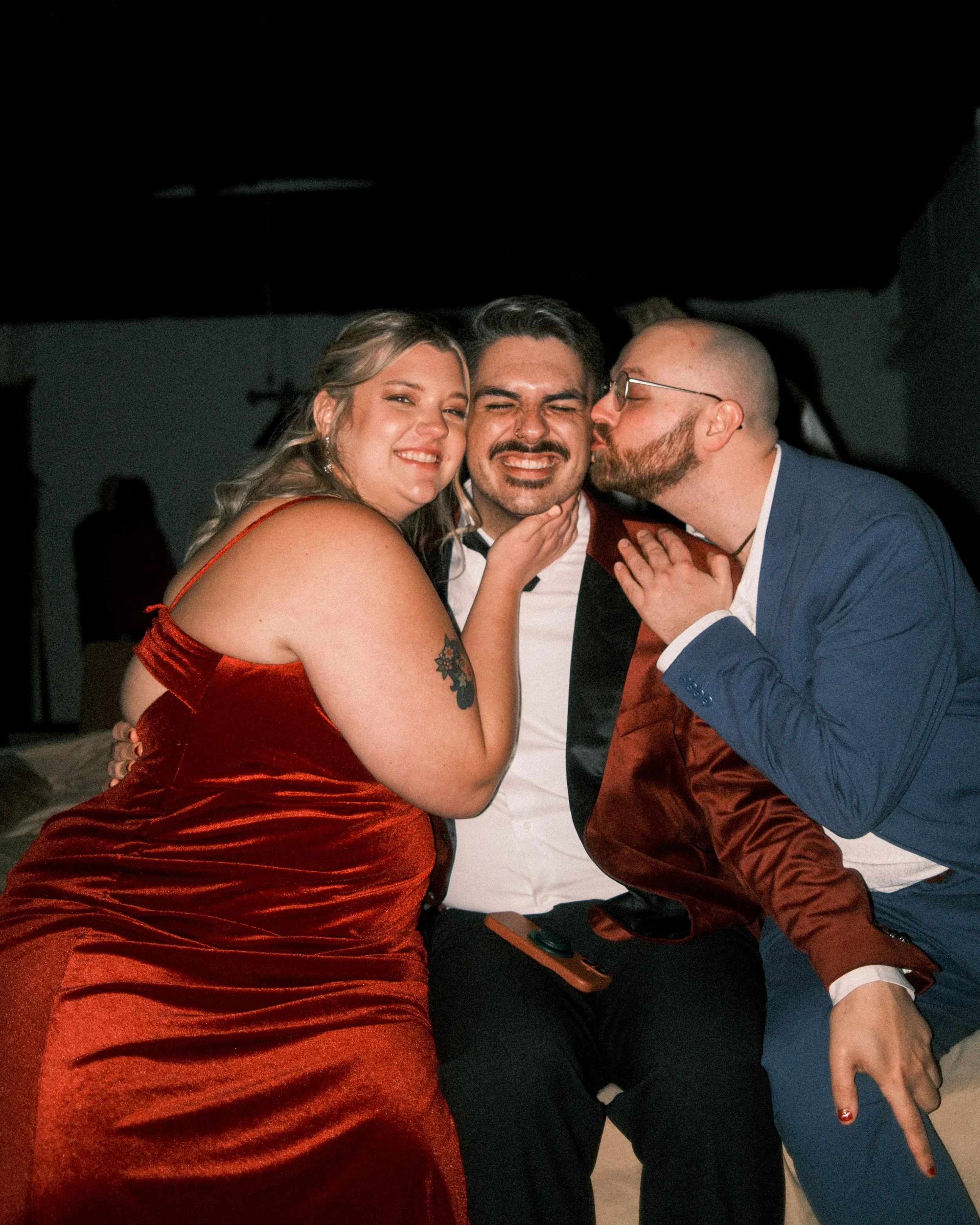
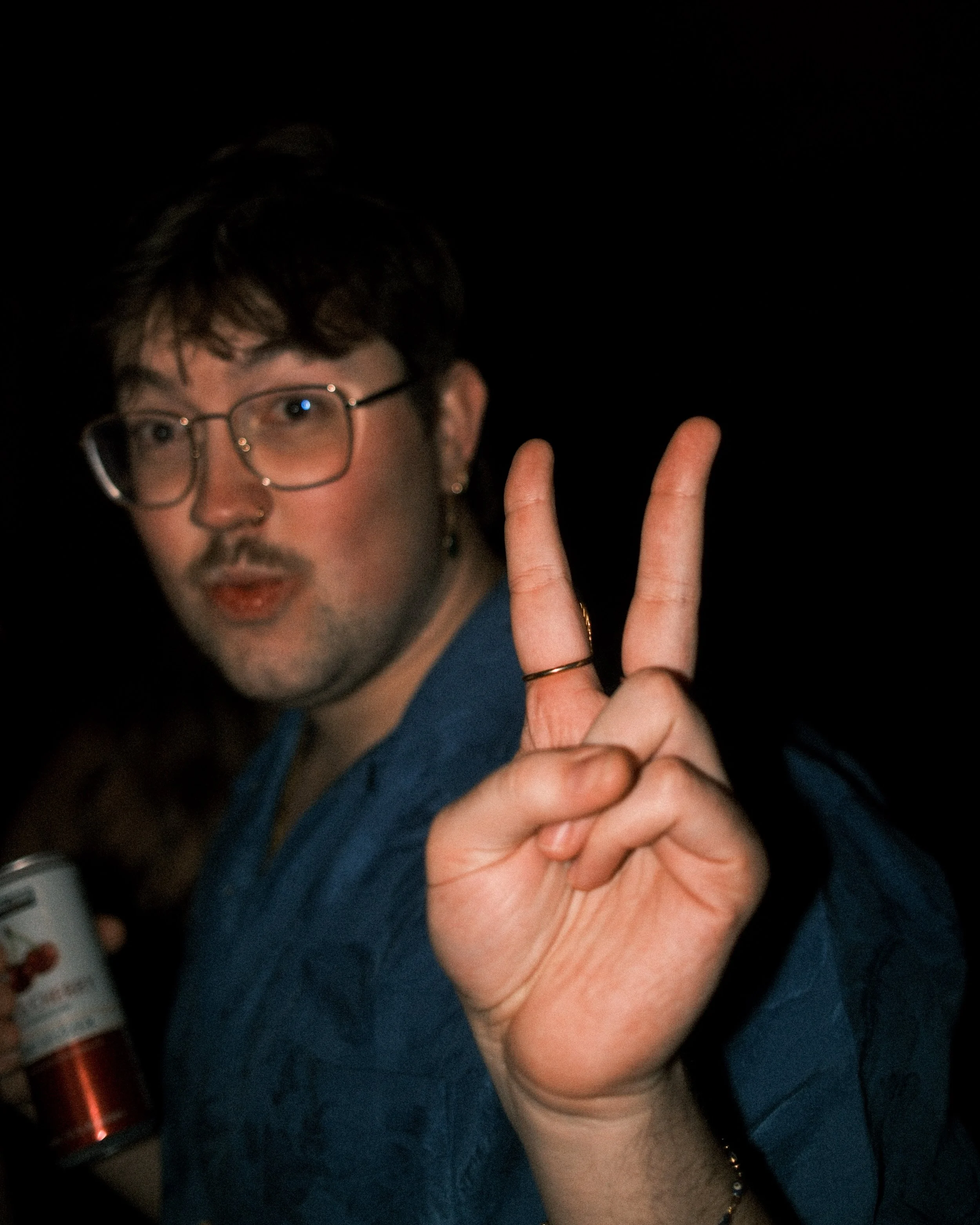
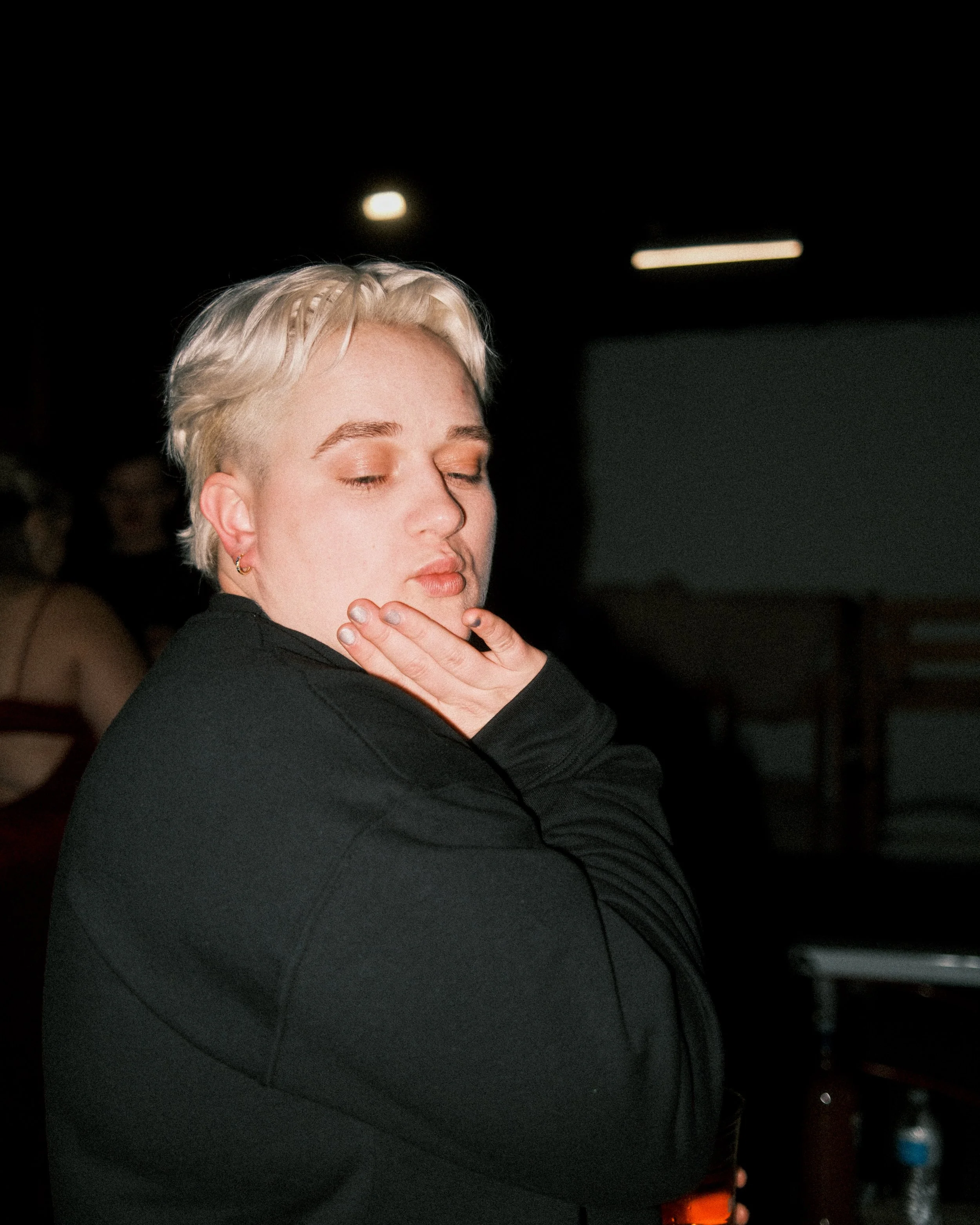
That's exactly why wedding afterparty photography with flash is one of the most important parts of full wedding day coverage. When used well, flash doesn't just illuminate a room. It transforms a chaotic, dimly lit dance floor into a cinematic, editorial scene bursting with personality.
What is wedding reception flash photography?
Wedding reception flash photography uses off-camera or on-camera flash (also called speedlight or strobe lighting) to capture sharp, vivid images in low-light environments like ballrooms, barns, tented receptions, and nighttime outdoor venues. Unlike natural light, flash gives photographers full control regardless of venue lighting, so your images look polished whether you're under string lights or fluorescent overheads.
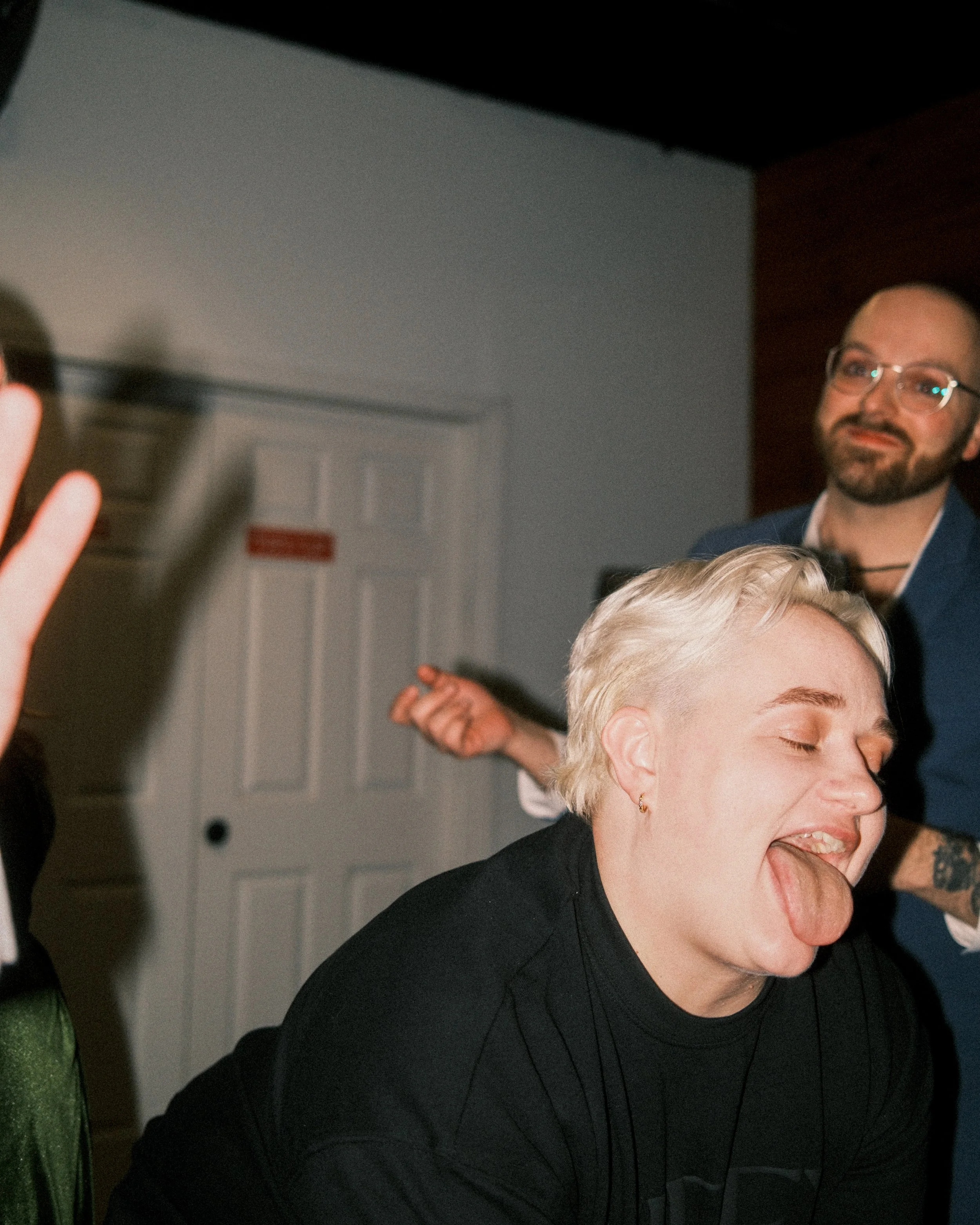
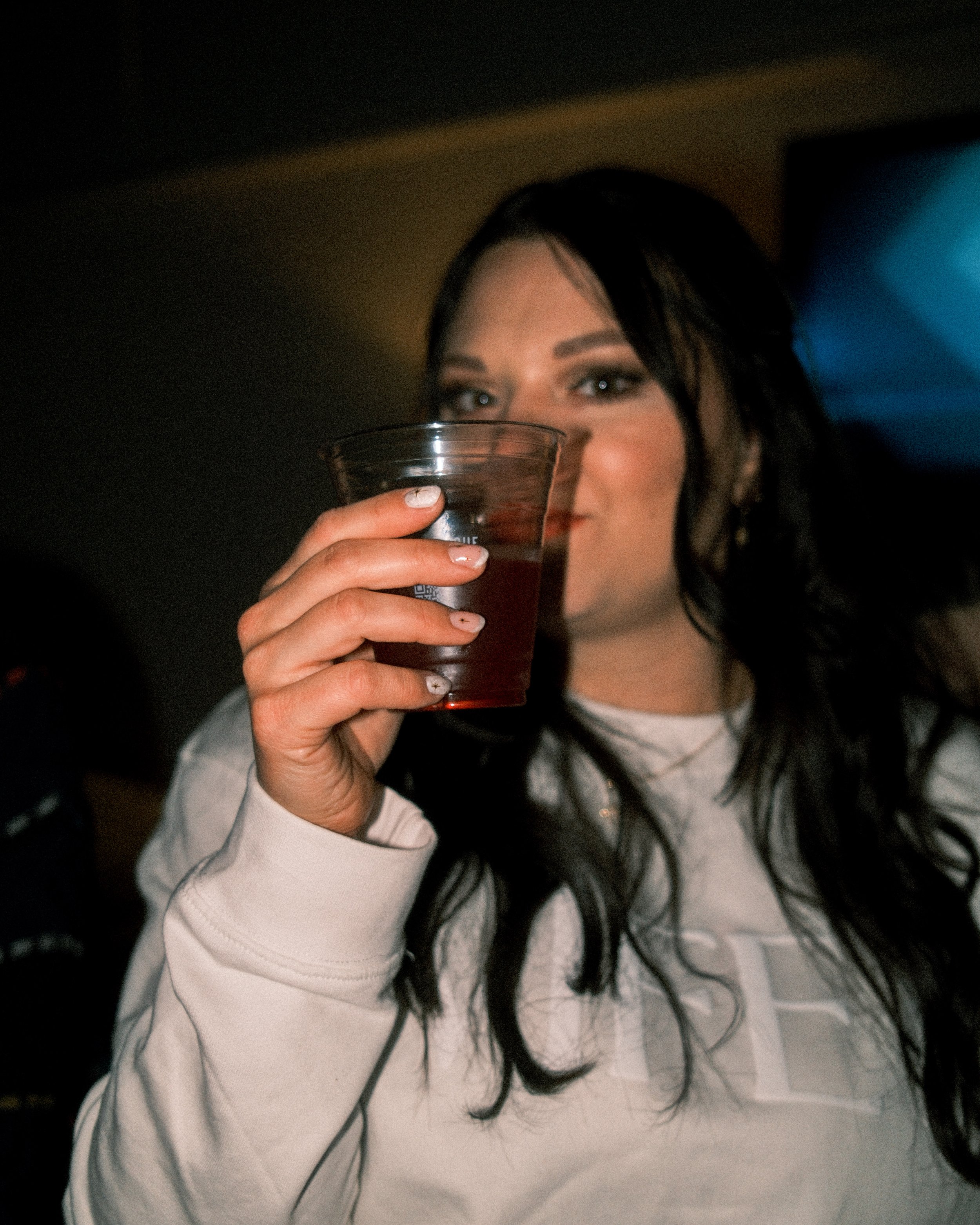
The two most common flash styles at receptions are bounce flash (soft, flattering, great for candids) and direct or dragged shutter flash (bold, editorial, perfect for dance floor energy). A skilled wedding photographer knows when to use each and isn't afraid to have a little fun with both.
"The dance floor doesn't wait for perfect lighting. Flash lets us meet the moment as it is, fast, loud, and completely unforgettable."
Why flash photography makes afterparty images better
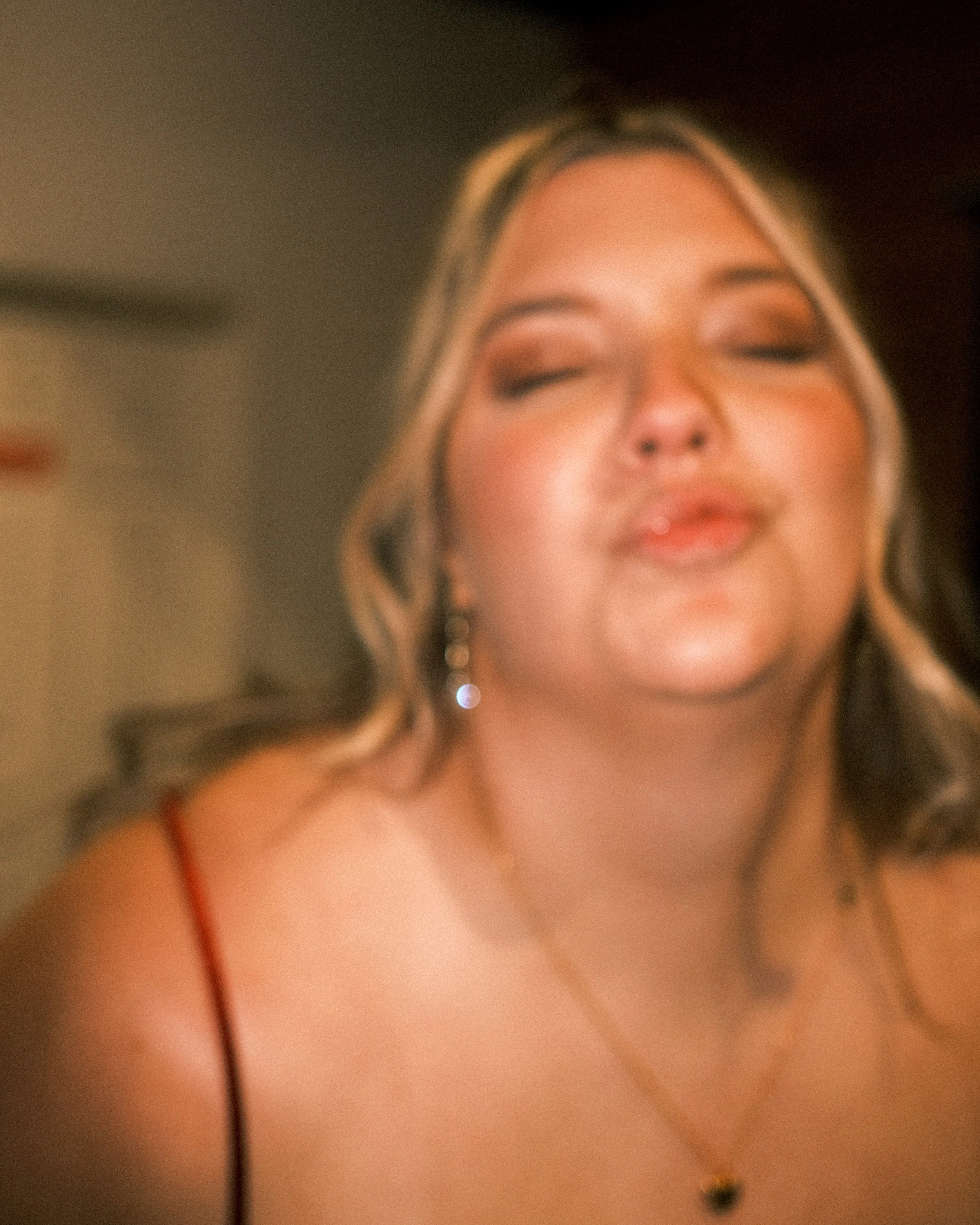
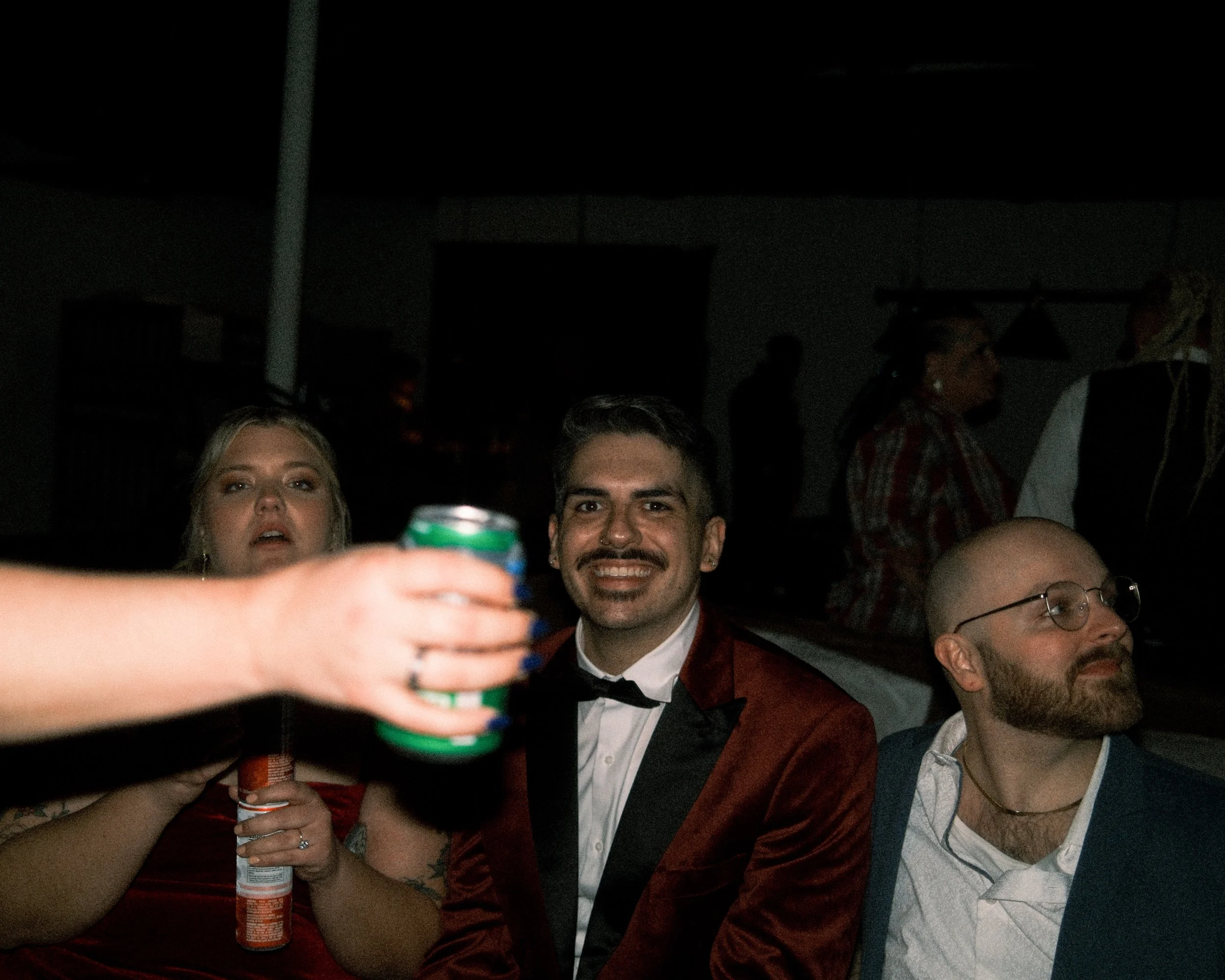
Reception venues are notoriously tricky to shoot in. Colored uplighting, candles, DJ strobes, and spotlights can fool a camera's sensor and leave you with blurry, orange-tinted, or grain-heavy images. Flash photography for weddings solves this by working with the environment rather than against it.
Why the Flash Works So Well:
Freezing the Action - Sharp, clear images of dancing, toasts, and candid reactions with no blur.
True to Life Color - Flash cuts through venue color casts so skin tones look natural and beautiful.
Editorial Drama - Bold contrast and sharp subjects give images a magazine-worthy, cinematic look.
Low-Light Confidence - Flash performs in any venue, from dark barns to candlelit ballrooms.
Being fun and approachable: the secret ingredient
Here's something that doesn't get talked about enough in photography. The best reception images come from photographers who actually show up as real people. The dance floor is not the place for someone standing stiffly in the corner. If you want authentic, joyful, real-moment photography, your photographer needs to be in it with you, laughing, moving, and building genuine energy with your guests.
A photographer who is fun and relatable puts people at ease right away. When guests stop thinking about the camera, they stop performing for it. That's when the real magic happens. The best candid wedding photography isn't about sneaking around unseen. It's about being present, warm, and easy to be around so people forget you're working.
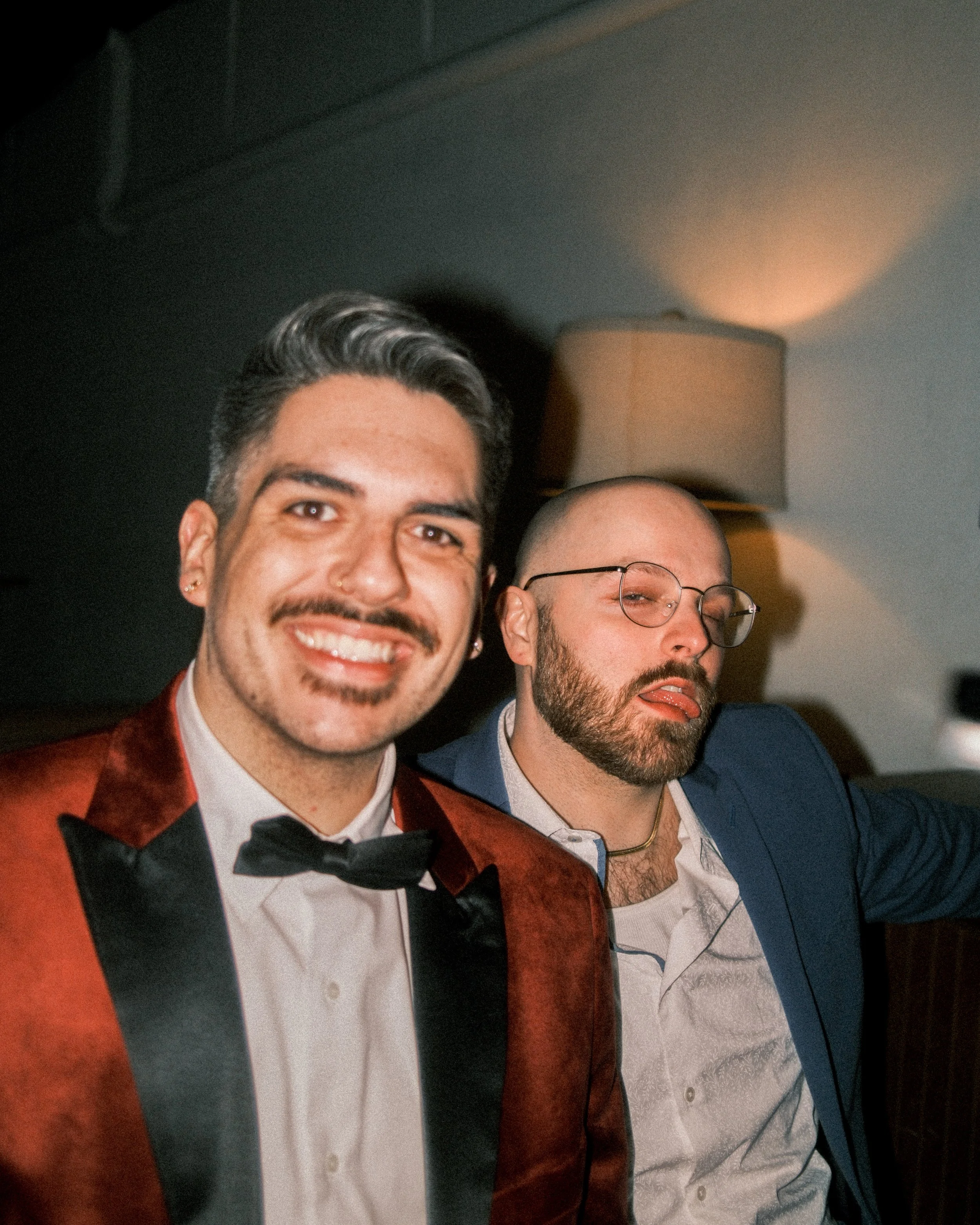
Flash photography can feel a little intimidating to guests who aren't used to it. That's why a simple heads-up goes a long way. Something like, "I'm going to pop a little flash on the dance floor, just ignore me and keep having fun," does the trick. Most guests barely notice after the first shot. And the ones who do? They usually start hamming it up, which honestly makes for even better photos.
What to look for in a wedding photographer who uses flash
Not all flash photography is created equal. When searching for a wedding photographer with reception lighting experience, look for portfolios that show sharp, dynamic images in low-light environments with natural-looking skin tones. Watch out for harsh shadows, blown-out highlights, or that flat paparazzi look. A photographer who truly understands flash will show variety: soft candids, bold editorial moments, and everything in between.
Questions to ask your photographer about reception coverage
Do you use off-camera flash at receptions? How do you handle venues with colored uplighting? Can I see examples from indoor nighttime receptions? Do you photograph the afterparty, not just the first dance?
Flash and storytelling: capturing the full wedding night
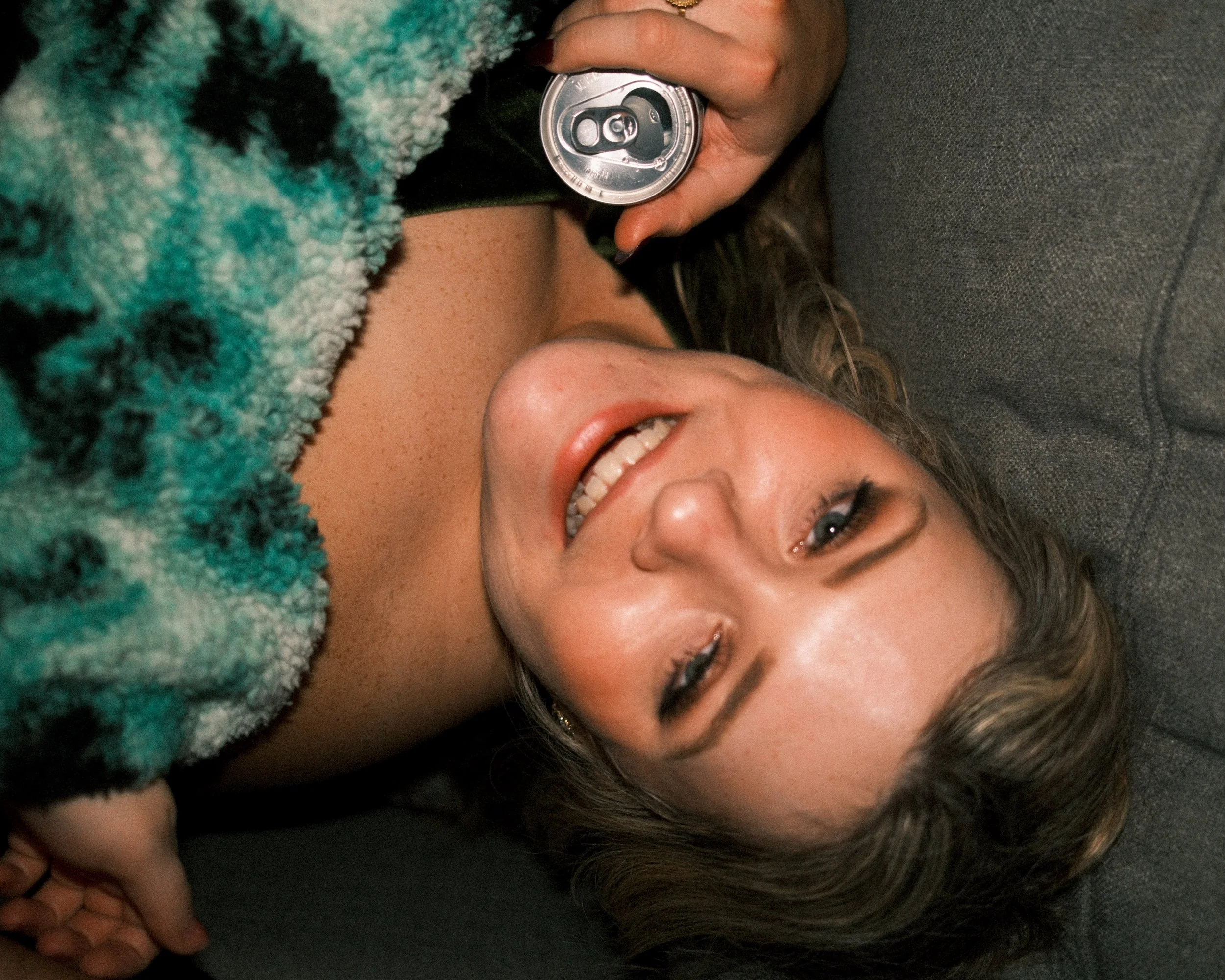
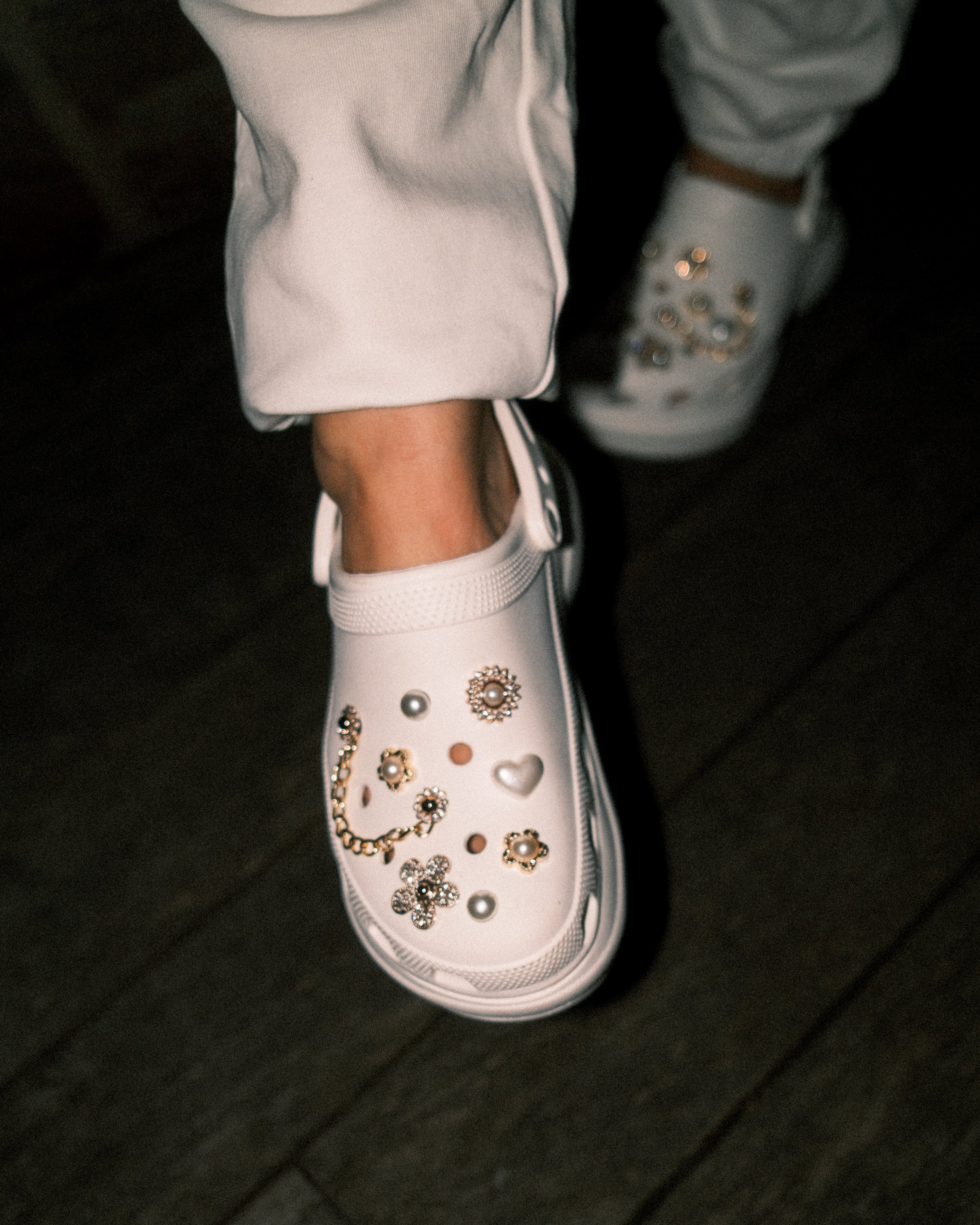
Wedding night photography is about more than the first dance and cake cutting. It's the whole arc of the evening. The champagne tower wobbling. The flower girl asleep under a table. The groom's friends doing an absolutely unhinged group photo at the photo booth. Flash photography for the afterparty means none of those moments disappear into the dark.
Dragged shutter flash is where the shutter stays open longer to capture ambient light while the flash freezes the subject. The result is a sharp subject with motion blur streaking in the background: movement and stillness at once. It's one of the most effective tools for capturing the energy of a wedding dance floor photography session and it looks incredible in a wedding album.
Why afterparty coverage is worth it
A lot of couples book photography coverage through the first dance and dinner, then let their photographer go for the evening. If that's you, we'd gently encourage you to reconsider. The hours between 9pm and midnight at a wedding are often the most joyful, the most candid, and the most impossible to recreate. Extended wedding reception coverage with an experienced flash photographer means you get all of it. And you actually get to be in those moments instead of worrying whether anyone is documenting them.
Your wedding photos are the one investment from your wedding day you'll still be looking at in 40 years. Make sure they capture the whole story, including the part where everyone lost their shoes and danced until the venue kicked you out.
Thanks for reading,
Dalton
Arizona-based Photographer. Storyteller.
